



Tongguan Kiln Ceramic Research Institute Ceramic Panda
It is a ceramic artwork carefully crafted by the Tongguan Kiln Ceramic Research Institute. Tongguan Kiln, as one of the famous ceramic kiln series in China, has a long history and profound cultural heritage. The research institute relies on the traditional craftsmanship and innovative technology of Tongguan kiln to create ceramic works that are both traditional and modern. As a national treasure of China, pandas have a charming and lovable image, and are one of the important symbols of Chinese culture. Crafted with exquisite craftsmanship, every detail is meticulously crafted by the artist, showcasing the superb craftsmanship of Tongguan kiln ceramic art.

Ceramic Decorations from Tongguan Kiln Ceramic Research Institute
The ceramic decorations produced by the Tongguan Kiln Ceramic Research Institute represent the profound ceramic production tradition and artistic achievements of China's Tongguan Kiln. Tongguan Kiln is one of the famous ceramic kiln series in Chinese history, renowned for its exquisite craftsmanship, unique glaze colors, and exquisite decorations. It is usually handmade with high-quality clay, carefully designed and fired multiple times, and finally presents an artistic effect of bright colors and exquisite patterns. Every piece of work is the result of the craftsman's unique craftsmanship. These decorations, as carriers of culture, are not only favored domestically but also exported overseas, becoming an important way to spread Chinese ceramic art.
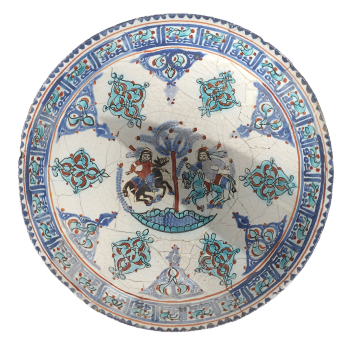
Mina'i porcelain bowl from Iran
The Iranian Mina'i porcelain bowl you mentioned was made between 1200-1299 AD and is now collected at the Minneapolis Museum of Art in the United States. The theme of this porcelain bowl is two people riding horses on either side of a tree, which often appears on Mina'i porcelain and may imply a hunting scene, a luxury enjoyed by the prince class. The material of this porcelain bowl is gypsum, with glazed painted decorations on top.

The bowl depicting the 'female cavalry'
The bowl depicting a female knight "is an Iranian artwork from the 12th to 13th centuries, currently housed in the Minneapolis Museum of Art in the United States. This artwork is a bowl depicting a lady riding a horse. Mina'i ware is a type of pottery from the Seljuk period in Iran (1038-1194). This period may be the most creative era in Persian pottery production. In addition to gold-plated vessels, minai vessels, and monochrome blue glaze, underglaze painted pottery was also produced. These bowls represent a popular variation of black design painted under transparent turquoise colored glaze.

Ceramic containers from the Inca Empire period
It is a ceramic container from the Inca Empire (1470 to 1532) period, with distinct Inca cultural characteristics. Usually spherical or elliptical in shape, with a narrow neck and wide mouth at the top and a narrow bottom, making it ideal for storing and transporting liquids. Plays an important role in daily life and is also used as a sacrificial container in religious and ceremonial activities, reflecting the worship and prayers of the Incas towards gods. In 2023, an Inca style Ar í balo ceramic container was returned by the heir of Isabel Pereda from Argentina, completing his journey back home. It is a manifestation of the increasing awareness of international cooperation and cultural heritage protection.
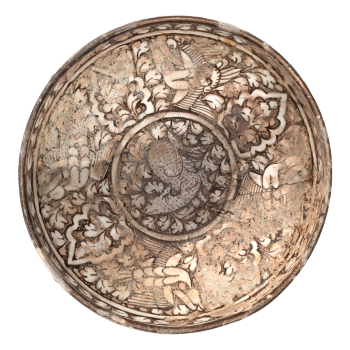
The bowl depicting the 'deer in the forest'
It is a 12th century pottery piece currently housed in the Minneapolis Museum of Art in the United States. This work is a bowl depicting the pattern of "deer in the forest". It is a part of Rayy Ware, a type of pottery from the Seljuk period in Iran (1038-1194). This period may be the most creative era in Persian pottery production. In addition to gold-plated vessels, minai vessels, and monochrome blue glaze, underglaze painted pottery was also produced. These bowls represent a popular variation of black design painted under transparent turquoise colored glaze.

Bowl with 'Willow Vine'
The blue glazed pottery bowl is a 12th century pottery item currently housed in the Minneapolis Museum of Art in the United States. This work is a bowl decorated with a "willow vine" pattern. It is a part of Rayy Ware, a type of pottery from the Seljuk period in Iran (1038-1194). This period may be the most creative era in Persian pottery production. In addition to gold-plated vessels, minai vessels, and monochrome blue glaze, underglaze painted pottery was also produced. These bowls represent a popular variation of black design painted under transparent turquoise colored glaze.
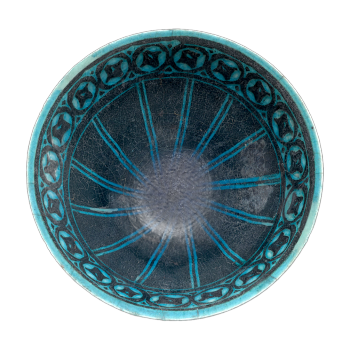
Green glazed pottery bowl
The blue glazed pottery bowl is a 12th century pottery item currently housed in the Minneapolis Museum of Art in the United States. This work is a bowl with a blue glaze. It is a part of Rayy Ware, a type of pottery from the Seljuk period in Iran (1038-1194). This period may be the most creative era in Persian pottery production. In addition to gold-plated vessels, minai vessels, and monochrome blue glaze, underglaze painted pottery was also produced. These bowls represent a popular variation of black design painted under transparent turquoise colored glaze.

Tübingen University Museum Attica red pottery bottle
A ceramic vessel from the ancient Greek period characterized by a black glaze on red clay pottery, with figures and figures in the outline of the pattern retaining the original red color of the clay, creating a sharp contrast. This style, which appeared around 530 BC and reached its peak in the 5th century BC, is representative of pottery making in the Attica region of ancient Greece. The red colored pottery bottle is usually used to mix water and wine. Its shape is wide mouth, short neck, deep abdomen, handles on both sides, and wide and stable circle feet at the bottom. Not only had a practical function in ancient Greek society, the patterns on the surface also reflected the cultural and artistic level of ancient Greece.

Pottery Santa Claus Christmas Decorations

Japanese ceramic Q version kimono lucky cat

Popular Models
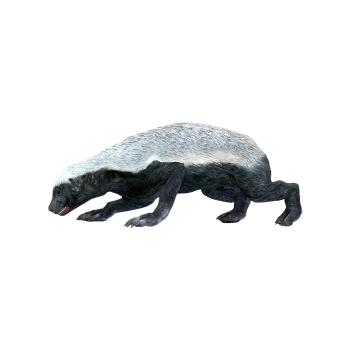
Honey Badger (3D animated model)
192 View
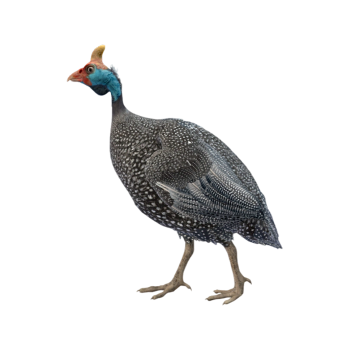
Guinea fowl (3D animated model)
163 View
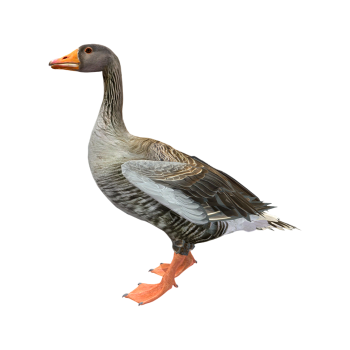
Wild Goose (3D animated model)
185 View
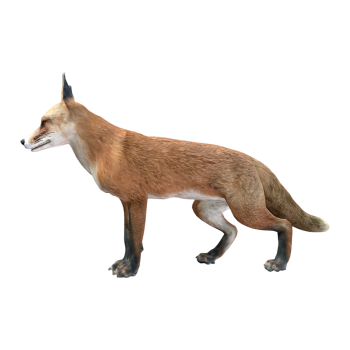
Red Fox (3D animated model)
153 View
Random Model

Love Balloon (3D Action Model)
112 View

Burial reliefs of Berenger de Cole
461 View
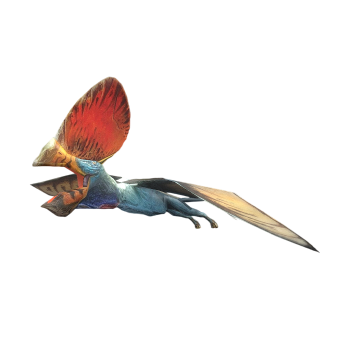
Thor Pterosaur (3D animated model)
144 View


Frog on the Rock statue
444 View
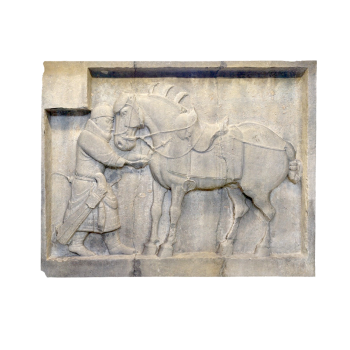

Chile Kiwi
325 View
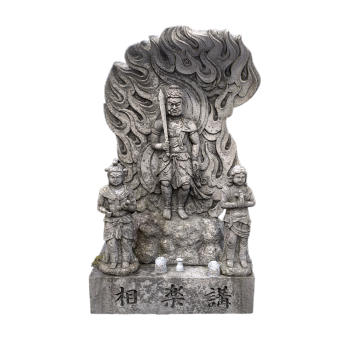
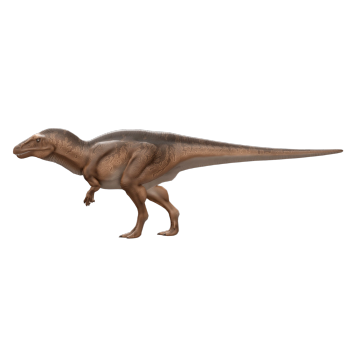
Allosaurus (3D animation model)
146 View
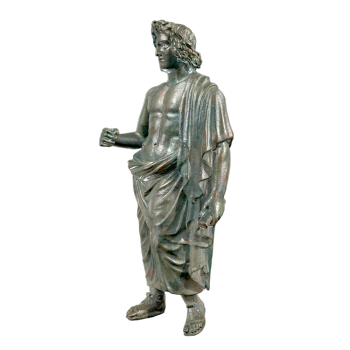
Bronze statue of Asclepius
412 View